An American woman is opening up about her double life working remotely overseas without permission from her job. In an as-told essay from Business Insider , the woman who remained anonymous had a lot to say about the year she spent working internationally and the hoops she had to jump through to make it happen The nameless mom says she was allowed to work at her dream job, a sleep-study lab in Virginia. However, things changed after she became pregnant with her son. She worked up until the day she went into labor. Thankfully, her boss approved for her to work remotely from home to spend more time with her newborn. “At that time, I was the only remote employee who worked for this company,” she told Business Insider. “Working at home wasn’t a luxury a lot of other people had the option to do, and I felt grateful. It was the only way I could take care of my son and not lose this dream job.” The new mother felt she was in the perfect position. She had her dream job and the flexibility...
 |
Three state-owned carriers revealed their 5G data plans this week |
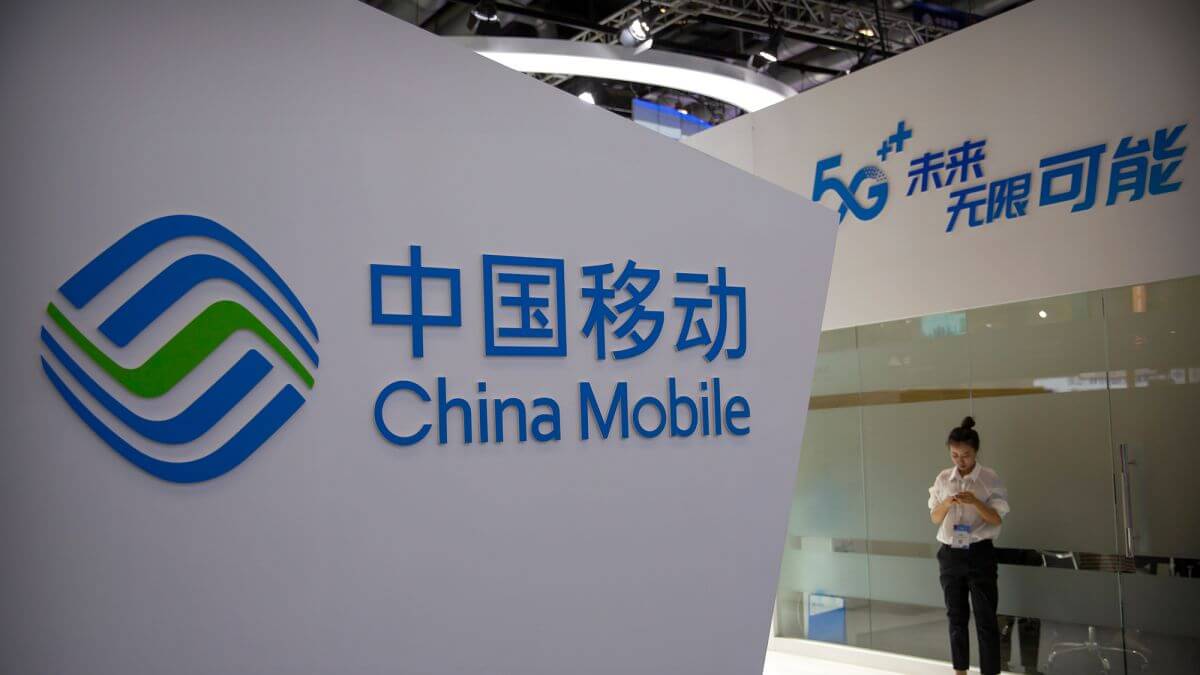
What just happened? China Mobile, China Unicom and China Telecom have launched 5G services across 50 cities in the country including Beijing, Shanghai, Guangzhou and Shenzhen. Huawei, blacklisted by the US, reportedly played a major role in China's 5G rollout. The launch of the network was initially planned for next year but got pulled ahead of schedule by the state-owned carriers.
5G networks have rolled out in several parts of the western world, but China's roll-out of the technology on Friday is reportedly the world's largest (yet).
Prices of 5G plans by all three state-run telecom operators start at around $18 / month (30GB /500 call minutes) and scale up to $85 / month (300GB / 3,000 call minutes), which some experts say are potentially still too high for widescale adoption, given China's per-capita income.
Reportedly, download speeds will also vary according to data plans. Subscribers of entry-level packages will get 300Mbps download speeds while higher-end plans will fetch data at 1Gbps.
With US and China locked in the ongoing trade war, this development is being seen as the latter's effort to gain technological supremacy in the 5G battleground. Huawei, which has been at the center of the trade war between the two countries, played a major role in the network's deployment as the nation's major carriers awarded nearly half of their 5G networking contracts to the company.
One of several key challenges facing 5G's adoption in China, or anywhere else for that matter, is convincing people of the need to shift towards the faster, but more expensive network, along with providing plenty of options to buy in terms of the currently lacking 5G smartphone market.
Huawei, Xiaomi, ZTE, Vivo and Samsung currently have 5G-capable handsets in the country, but would need to introduce more affordable models to further penetrate the market. According to Chinese reports, the country had nearly 10 million registered 5G users as of October this year and analysts predict that figure will balloon to 110 million by 2020.
Comments
Post a Comment